
Generic notes

Multichannel, polypotentiostat or multiplexer
This will help you to choose the ideal multi-channel instrument for your application.

Potentiostat parameters and specifications explained
The specifications of potentiostats contain many parameters. If you are in doubt about the meaning of a certain parameter, worry no more. Below you will find an explanation for the...

Heavy metal analysis of river water using the IS-HM sensor
This application note provides a comprehensive set of instructions for use of the screen-printed electrode (SPE) IS-HM in analyzing Pb, Cd, and Cu concentrations of a polluted river water sample.
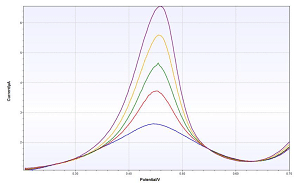
Mercury analysis using the ItalSens-Au sensor
A comprehensive set of instructions for use of the screen-printed electrode (SPE) IS-Au for determining the Hg concentrations of aqueous solutions.
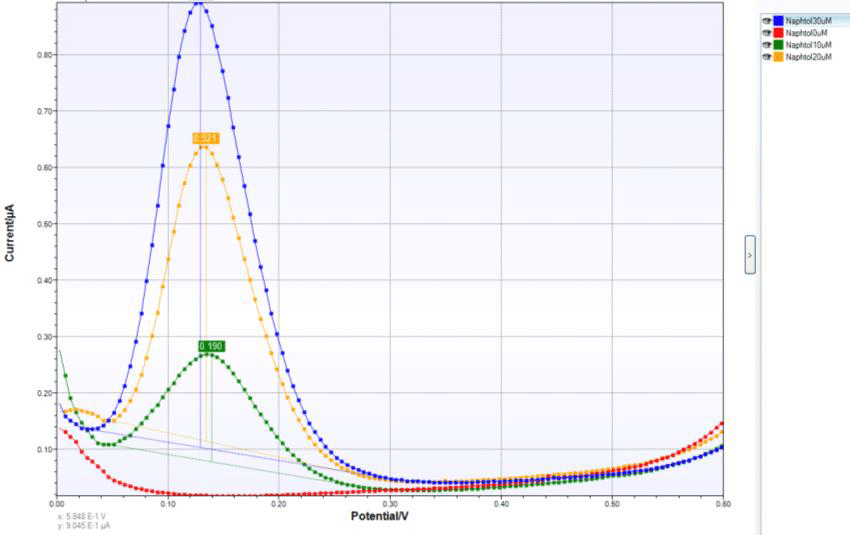
Measuring Naphthol with carbon electrodes (IS-C)
The screen-printed carbon electrodes by ItalSens IS-C have been characterized by measuring naphthol, and can also be used for quantification of naphthol.
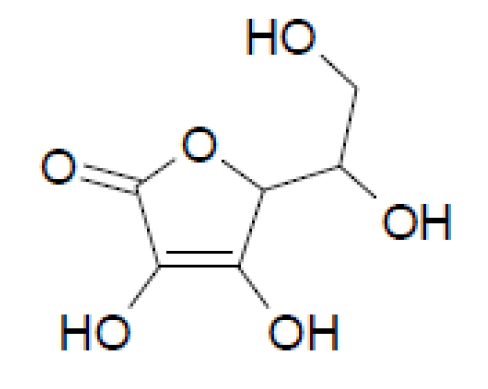
Vitamin C Detection with ItalSens IS-C
This application note describes how to create a calibration for quantitative measurements of vitamin C. Due to the detailed description and harmless solutions this an excellent electrochemical experiment with liquids for beginners in the field of electrochemistry.

Potentiostatic and Galvanostatic EIS
What is GEIS? When to use GEIS or PEIS?