
Articles

Detection of Glucose with a Self-Made Biosensor – PDF
This PDF describes the electrochemical experiment based on the theory of the article series 'Detection of Glucose with a Self-Made Biosensor Based on Glucose Oxidase'. Have fun!
Detection of Hydrogen Peroxide – PDF
The experiment described in this PDF concludes the article series 'Detection of Hydrogen Peroxide with Selfmade Prussian Blue Electrodes'. Good luck!
The Cottrell Experiment and Diffusion Limitation – PDF
This PDF provides the instructions for the experiment related to the article series 'The Cottrell Experiment and Diffusion Limitation'. Have fun!
Copper and Nickel Deposition – PDF
The article series 'Copper and Nickel Deposition' provides the theoretical background for the final experiment. In this PDF the instructions can be found to perform the electrochemical experiment. Good luck!

PalmSens SDK for UWP
UWP depreciated Support for UWP is depreciated. Version 5.7 is the last version. The EmStat4-series is not supported by this version. For new developments, we reco...
Copper and Nickel Deposition 3/3 – Electrogravimetry and the Electrochemical Series
This chapter deals with Electrogravimetry and the Electrochemical Series. Deposition of metals can also be used for analytical methods. The differences in the standard potentials allow individual precipitation of different metals in the same solution.
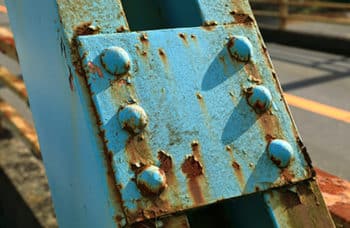
Copper and Nickel Deposition 2/3 – Corrosion research and corrosion protection
This chapter explains corrosion and methods to prevent it. Corrosion is an important research field due to the fact that corrosion causes big amounts of damage to machines and monuments. Understanding and preventing corrosion is the goal of corrosion research.
Copper and Nickel Deposition 1/3 – Introduction
This series of articles and corresponding experiment aims to provide an introduction to electrochemical experiments. This series in particular is meant to facilitate a transition from what is taught in most schools and the slightly more advanced level of potentiostatic experiments.
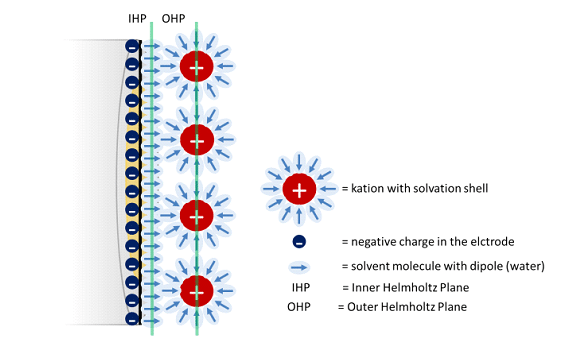
The Cottrell Experiment and Diffusion Limitation 3/3 – Electrochemical Double Layer
In this chapter the electrochemical double layer and its features are discussed. The electrochemical double layer acts as a capacitor and every change in the potential of the electrode will induce a capacitive charging current that is caused by physics not by a chemical reaction. This current decays exponentially.
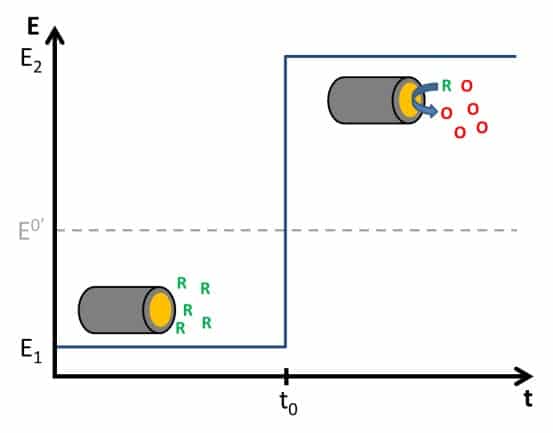
The Cottrell Experiment and Diffusion Limitation 2/3 – The Cottrell Experiment
In this chapter, we discuss the Cottrell experiment. During the Cottrell experiment a potential step across a redox potential is applied and the current caused by the electrochemical reaction is recorded. The current is controlled by diffusion.
The Cottrell Experiment and Diffusion Limitation 1/3 – Introduction
This series of articles aims to provide an introduction to electrochemical experiments. This series in particular deals with the Cottrell experiment and diffusion limitation, and includes an experiment (PDF) you can carry out yourself.
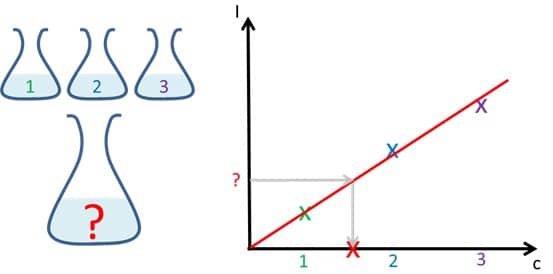
Detection of Hydrogen Peroxide 5/5 – The Calibration Curve
This chapter explains how to prepare and use a calibration curve.
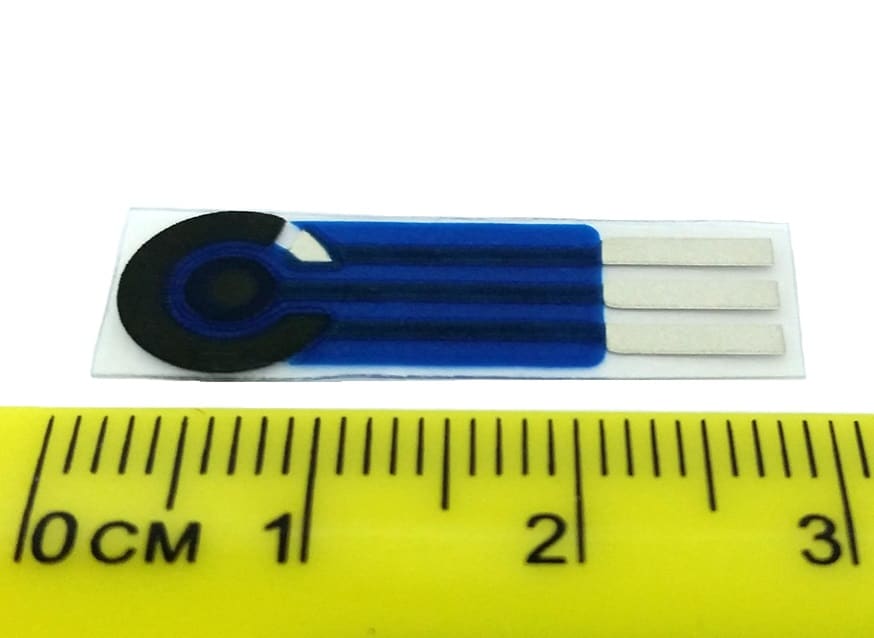
Detection of Hydrogen Peroxide 4/5 – with Prussian Blue
This chapter is part of the series ‘Detection of hydrogen peroxide with Prussian Blue’. This chapter delves deeper into the specifics of detecting hydrogen peroxide using Prussian Blue.
Detection of Hydrogen Peroxide 3/5 – What is Prussian Blue?
Prussian Blue (PB) is a deep blue pigment that is hardly soluble in water, but little amounts that are dissolved or dispersed in watercolor the solution intensively blue. Small Prussian Blue particles dispersed in water have been used as the first modern synthetic color. It is also known as Berlin Blue or Turnbull’s Blue. The pigment is used for various paints (Paris Blue) or to make the blue color for blueprints.
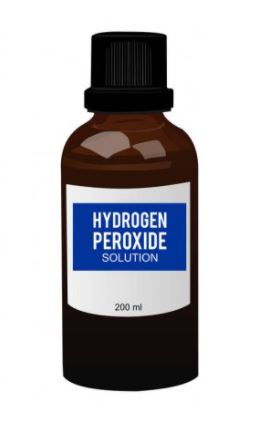
Detection of Hydrogen Peroxide 2/5 – Why detect Hydrogen Peroxide?
In this chapter, we explain what hydrogen peroxide is and why we detect it. Hydrogen peroxide is the simplest peroxide (a compound with an oxygen-oxygen single bond). It is also a strong oxidizer. Due to its oxidizing properties, hydrogen peroxide is often used as a bleach or cleaning agent.
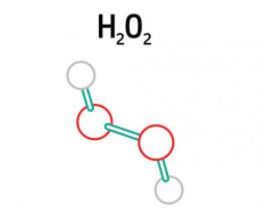
Detection of Hydrogen Peroxide 1/5 – Introduction
This series of articles aims to provide an introduction to electrochemical experiments. This series in particular deals with the detection of hydrogen peroxide with selfmade Prussian Blue electrodes, and includes an experiment (PDF) you can carry out yourself.
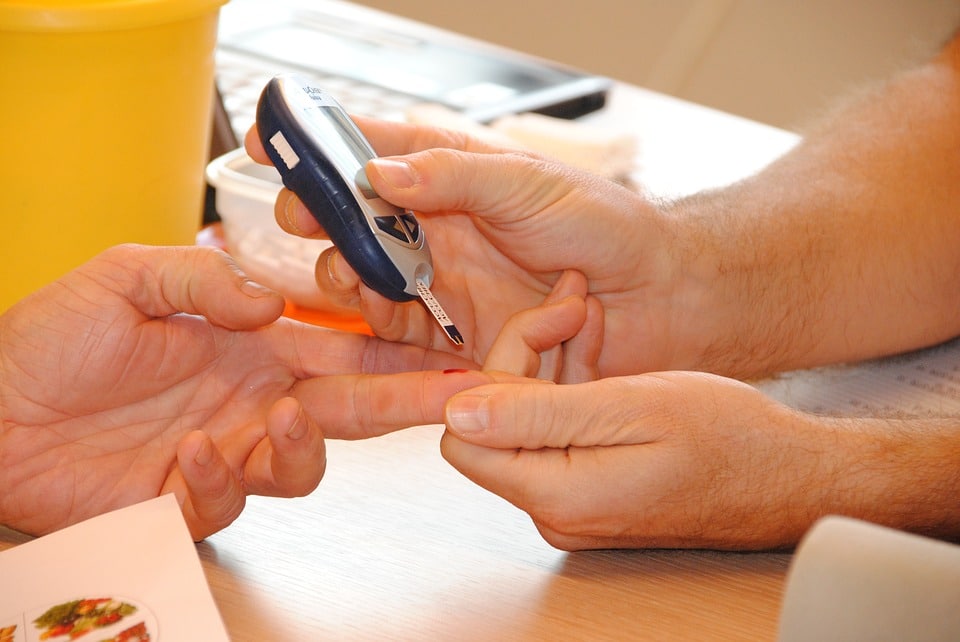
Detection of Glucose with a Self-Made Biosensor 5/5 – Glucose and Glucose Oxidase
This chapter is part of the series ‘Detection of glucose with a self-made biosensor based on glucose oxidase’. This chapter is the final theoretical part, which elaborates on the experiment with the enzyme Glucose Oxidase (GOx).