
Electrochemistry explained
Articles
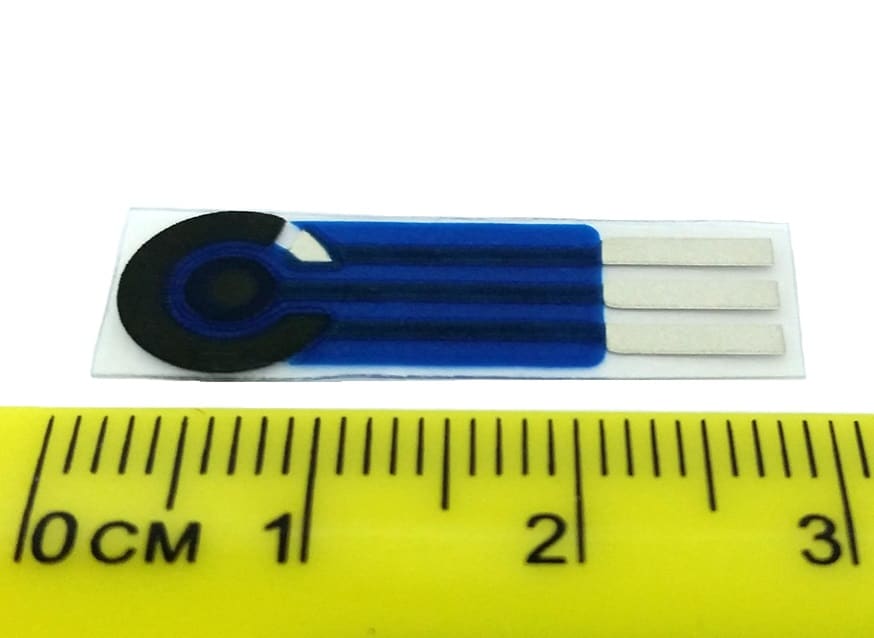
Detection of Hydrogen Peroxide 3/5 – What is Prussian Blue?
Prussian Blue (PB) is a deep blue pigment that is hardly soluble in water, but little amounts that are dissolved or dispersed in watercolor the solution intensively blue. Small Prussian Blue particles dispersed in water have been used as the first modern synthetic color. It is also known as Berlin Blue or Turnbull’s Blue. The pigment is used for various paints (Paris Blue) or to make the blue color for blueprints.

Detection of Hydrogen Peroxide 2/5 – Why detect Hydrogen Peroxide?
In this chapter, we explain what hydrogen peroxide is and why we detect it. Hydrogen peroxide is the simplest peroxide (a compound with an oxygen-oxygen single bond). It is also a strong oxidizer. Due to its oxidizing properties, hydrogen peroxide is often used as a bleach or cleaning agent.
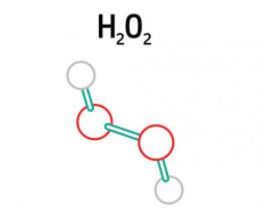
Detection of Hydrogen Peroxide 1/5 – Introduction
This series of articles aims to provide an introduction to electrochemical experiments. This series in particular deals with the detection of hydrogen peroxide with selfmade Prussian Blue electrodes, and includes an experiment (PDF) you can carry out yourself.
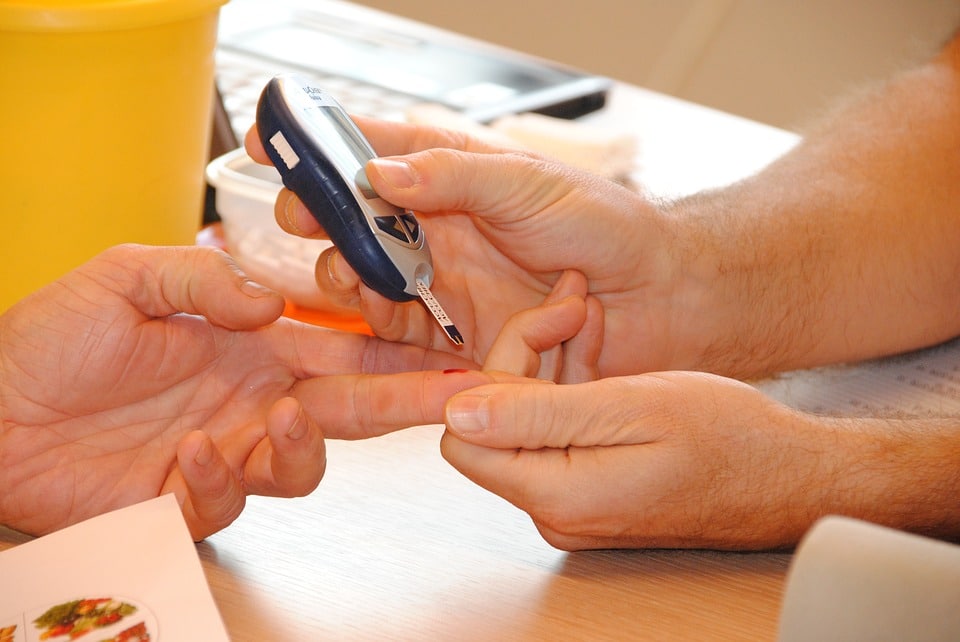
Detection of Glucose with a Self-Made Biosensor 5/5 – Glucose and Glucose Oxidase
This chapter is part of the series ‘Detection of glucose with a self-made biosensor based on glucose oxidase’. This chapter is the final theoretical part, which elaborates on the experiment with the enzyme Glucose Oxidase (GOx).
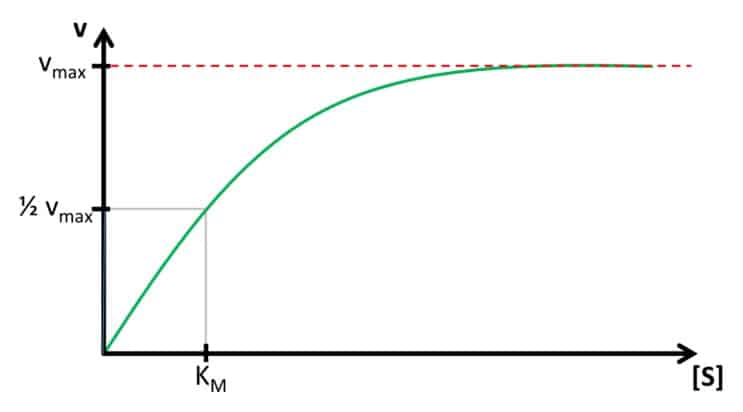
Detection of Glucose with a Self-Made Biosensor 4/5 – Michaelis-Menten Kinetics
In this chapter we discuss the theory of Michaelis-Menten and its importance for biosensors. The last section deals with the Lineweaver-Burk plot.
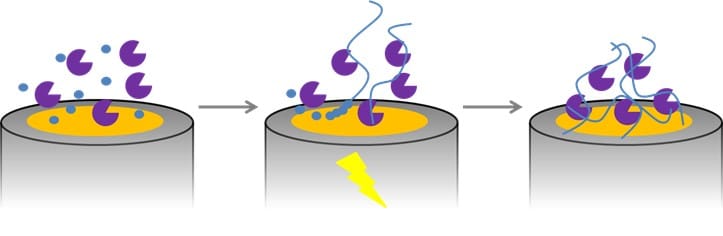
Detection of Glucose with a Self-Made Biosensor 3/5 – Immobilization of Enzymatic Biosensors
In this section, we elaborate on the workings of biosensors. More specifically, the immobalization thereof.
Detection of Glucose with a Self-Made Biosensor 1/5 – Introduction
This series of articles aims to provide an introduction to electrochemical experiments. This series in particular deals with the detection of glucose with a self-made biosensor based on glucose oxidase, and includes an experiment (PDF) you can carry out yourself.
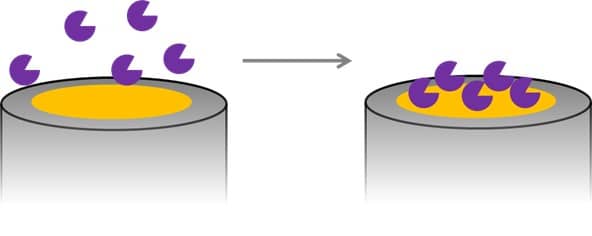
Detection of Glucose with a Self-Made Biosensor 2/5 – What is a Biosensor?
This chapter is part of the series ‘Detection of glucose with a self-made biosensor based on glucose oxidase’. This section provides a basic introduction to biosensors....
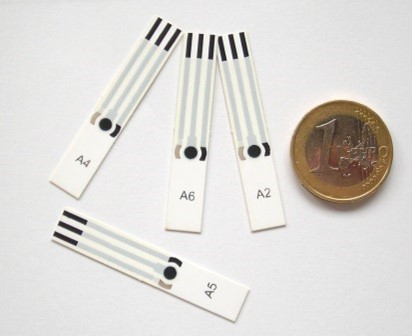
Screen Printed and Film Electrodes
Screen printed and film electrodes are suitable for mass production, versatile, cheap, and easy to handle. They make electrochemistry available to users without electrochemical knowledge.
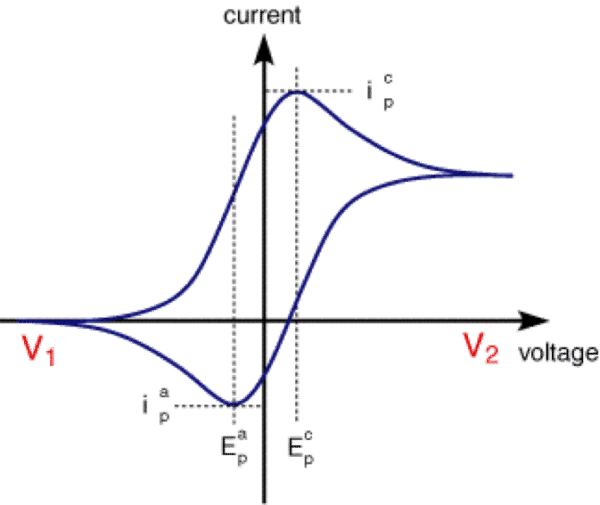
Voltammogram
A voltammogram is a graph that can be drawn after an electrochemical experiment. This graph has a typical, recognizable form in which the electron flow (current: i) is measured in Volt against the potential (E).

Future of electrochemical sensors
Curious how electrochemical sensors will be used in the future? Niels van Velzen, the CTO of PalmSens, explains about biosensor strips and portable readers. The readers perform mea...
Portable potentiostat
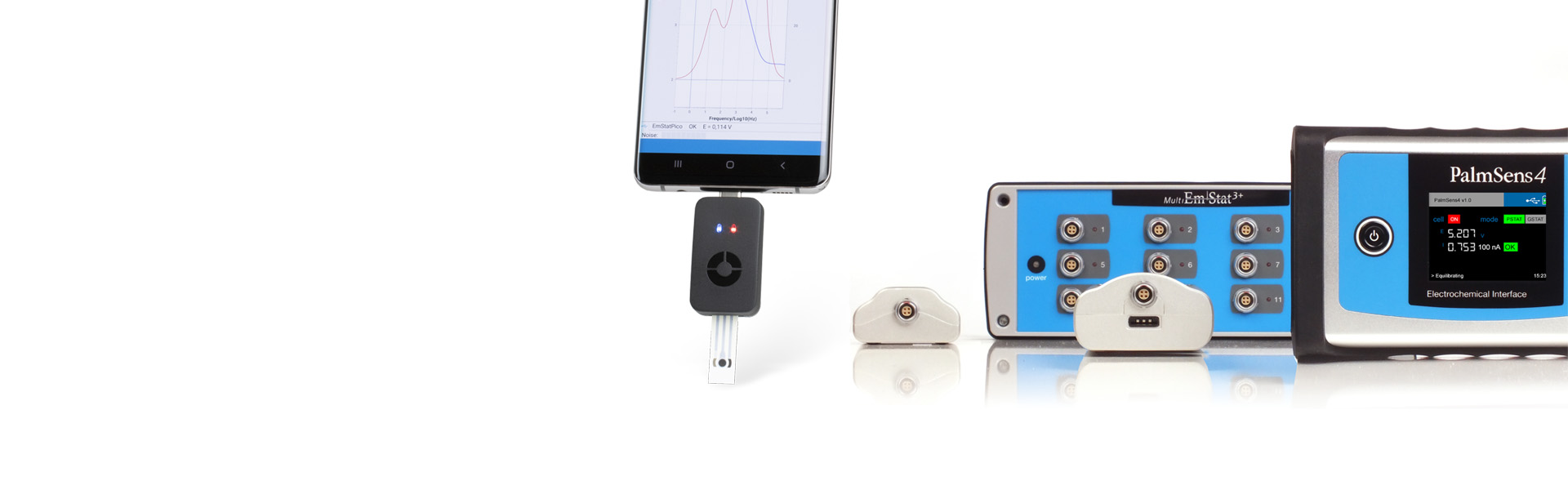
In some cases you want to carry out your measurements in the field, in several places and have results available immediately. That is why PalmSens has developed a portable battery-powered potentiostat and a USB-powered potentiostat that you can connect directly to your phone.
Potential
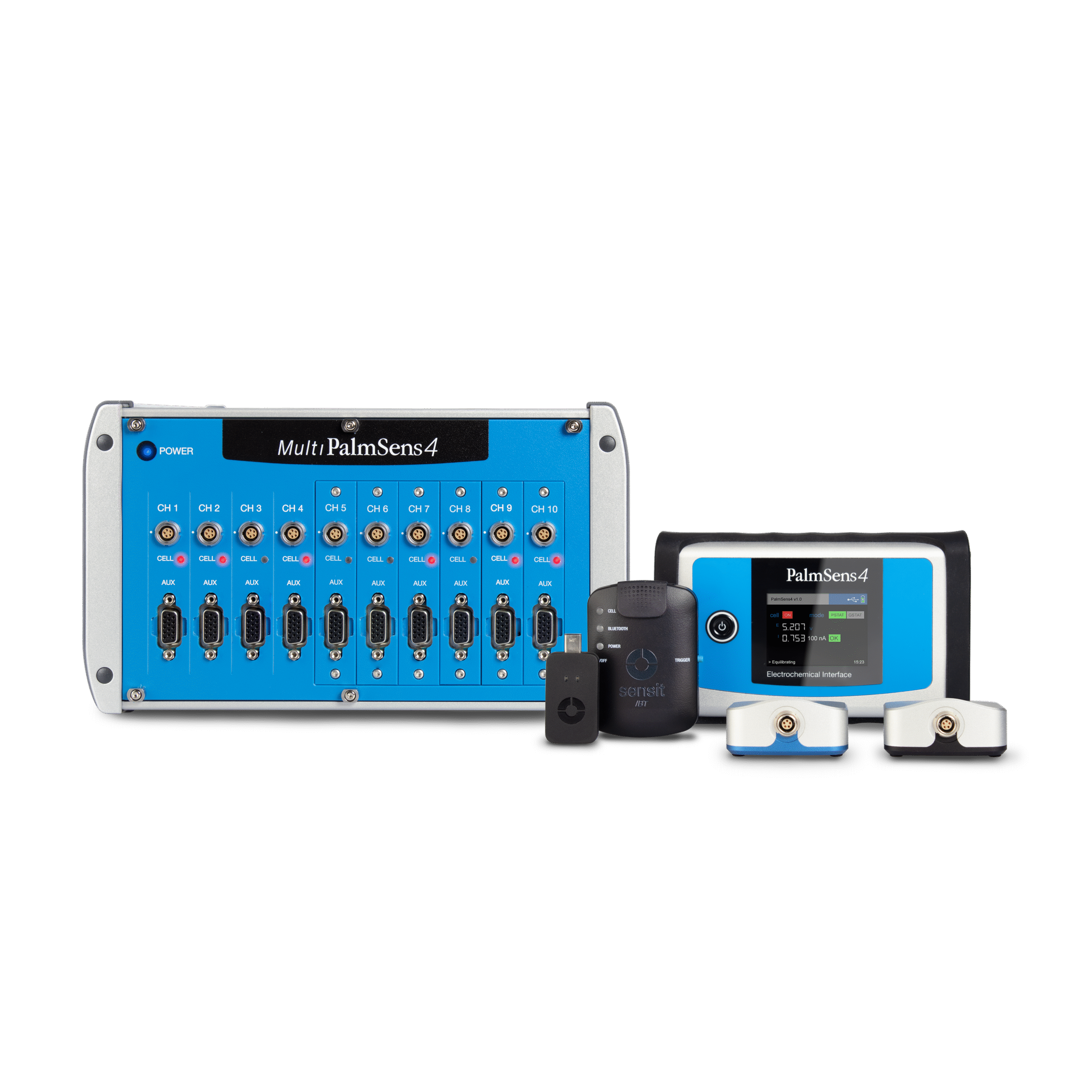
A potential is nothing other than the voltage or electrical voltage of a specific (liquid) substance.
Impedance analyzer
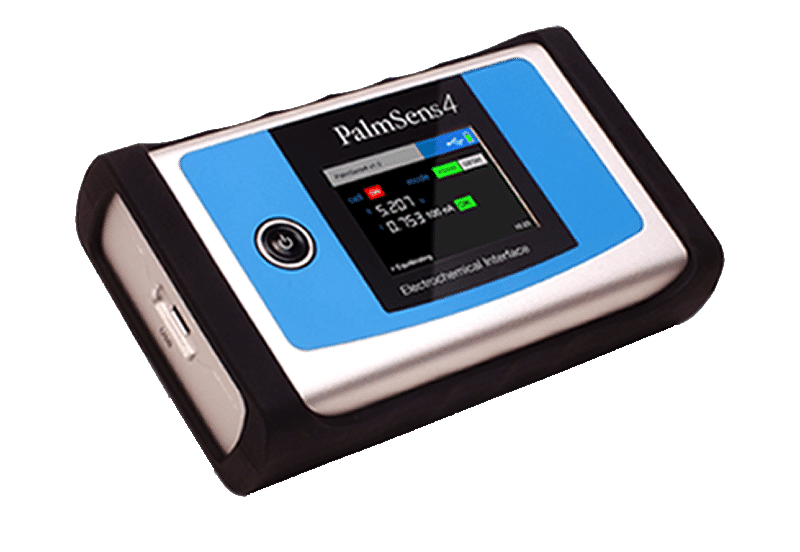
An impedance analyzer is a device that can measure how a particular substance or electrode surface responds to a a potential that is constantly increased and decreased within certain predefined limits (a potential wave).
Galvanostat
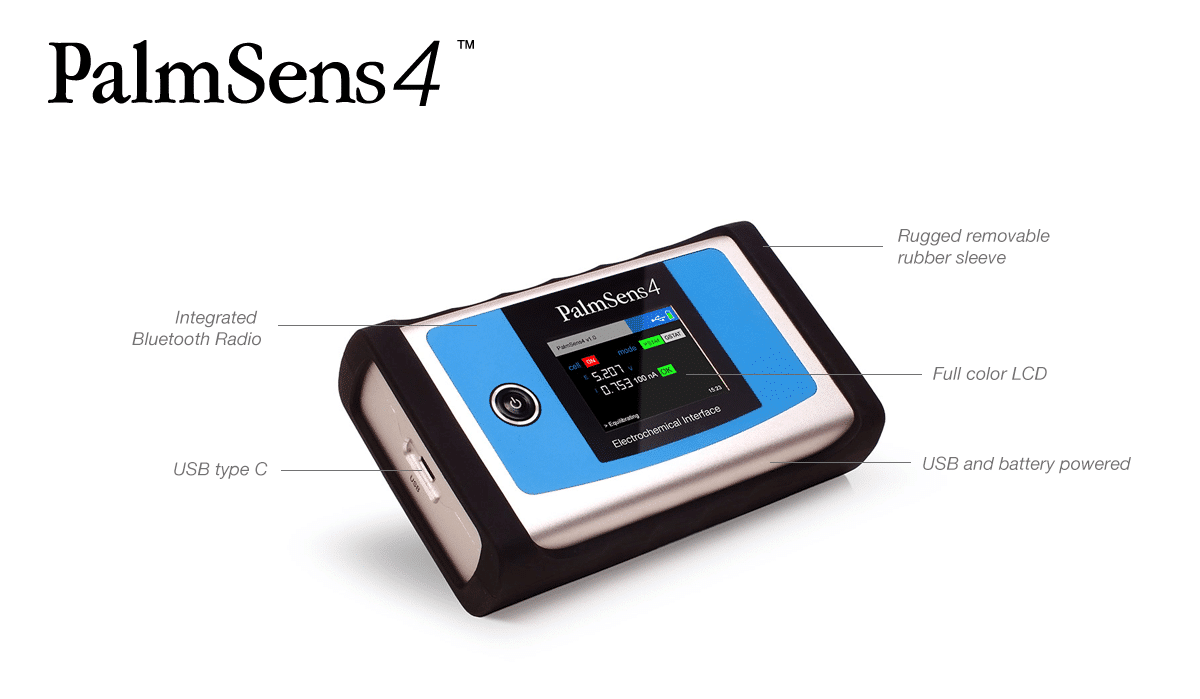
If you want to apply a current to a liquid, such as mercury, and want to observe the change of potential, you need a device that can control the former and measure the latter. Such a device is called a galvanostat.
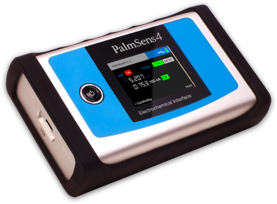
Frequency Response Analyzer
Nowadays, potentiostats are usually equipped with a frequency response analyzer so that you only need one device for the entire experimental setup. If you need a frequency response analyzer, the purchase of a PalmSens4 portable potentiostat is your best choice.
EIS Analyzer
An EIS Analyzer is a device that can measure how a particular substance or electrode surface responds to a a potential that is constantly increased and decreased within certain predefined limits (a potential wave).
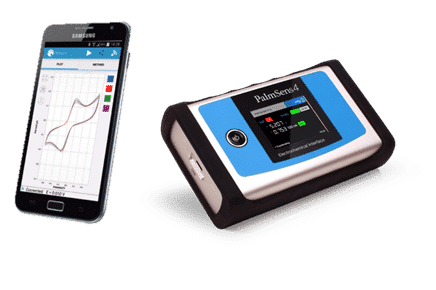
Economical Potentiostat
If you want to do electrochemical measurements with a specific purpose in mind, you may need an economically priced potentiostat. Palmsens has several attractively priced instruments for you.